
I usually keep things light on this blog, but today, I felt a compelling need to take things in a different direction.
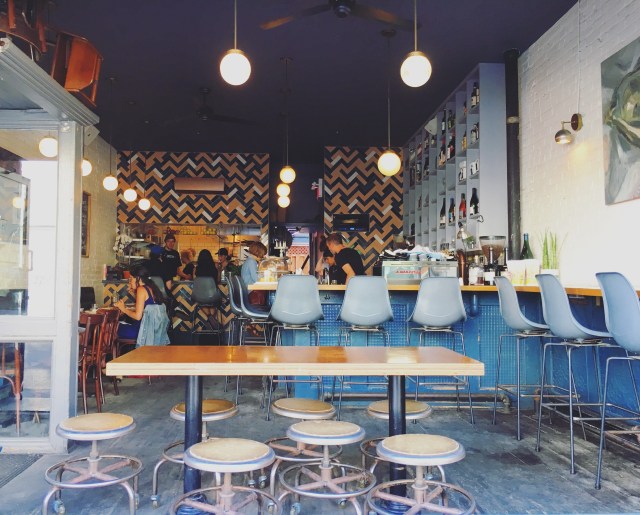
It’s been a rough week for me mentally and emotionally, so I was looking forward to Friday night dinner. I pulled up to one of my favorite comfort food spots in St. Louis, ordered at the counter, and took a seat at a communal table with my dessert to wait for my food. I mentally noted that I was happy I got there before the rush. A couple big families with kids and friends meeting each other for dinner came in behind me.
I always bring a book when I go out to eat alone so I got lost in the pages of a new novel I’ve been reading for a while. Then I felt like too much time had gone by. I checked my phone and it had been 30 minutes since I ordered.
I then watched as everyone who came in after me was served dinner, including couples who ordered to-go meals and dessert. I told myself that I’d wait a few more minutes. Who knows? Someone could be walking out the door of the kitchen with my food the moment I stood up.
Unfortunately, that did not happen. I forced myself to get up and say something to the cashier who took my order. Even though I knew it was the right thing to do, sometimes it’s difficult to advocate for oneself. I told her that people who ordered behind me already got their food, and she mumbled an apology and went to check on my order. I waited another five to 10 minutes and finally, she brought my order with a plate for another table.
At this point, I thought about asking for a manager or the owner of the establishment, whom I know. Truthfully, I barely had an appetite anymore. Part of the pleasure of going out to eat is anticipating a delicious meal and being served that meal in a timely and respectable way. When all that goes out the window, you’re left with a bitter taste in your mouth.
When I summoned my appetite, the food was delicious. I finished most of it and the dessert, which I’d seen in an Instagram post by the restaurant earlier this week. But I’d already started mentally composing an email to the owner. I felt that it was important to tell her what happened, not as much for her knowledge but for my own peace of mind.
I wish I could tell you that this incident is uncommon, but unfortunately, it’s happened to me many times over the years as a single diner. For example, last year I went to one of my favorite restaurants in Kansas City, another place where I know one of the owners and usually have great experiences. I essentially drove to Kansas City from St. Louis for a day to eat at this restaurant again.
It turned out that the restaurant wasn’t taking table reservations for single diners anymore. If you were dining alone, you had to make a reservation at the bar. I was a little put off by this but I did it anyway because I really wanted to eat dinner there again.
When I got to the restaurant, I ended up waiting two hours to get seated. The hostess was extremely apologetic but said that me getting a seat at the bar depended on how fast people got up. As is common at a bar, no one wanted to get up. When I finally was seated at a chair in the corner, my food came out in four stages with 20 to 30 minute gaps in between. By the time I got to dessert, they were all sold out of the dish I wanted.
Contrast this experience with a year earlier, when the restaurant was still relatively new and accepted table reservations for single diners. I took a seat in the brightly-lit dining room and watched as couples and families ogled me as I dined alone. But I didn’t care. I was so immersed in the pleasure of eating, I didn’t care who looked at me. I talked to my waitress about the food, asked for recommendations, and lingered over the meal the way one should at a fine dining establishment.
I’m appalled by the treatment of single diners by restaurants and fine dining establishments. What makes a single diner less of a person than a couple or a family? Yes, that ticket will likely not draw in as much money as other orders, nor will it require as much attention. But the single diner is still a paying customer.
More than that, the single diner is a human being. I’d argue that the single diner is more human than a couple friends going out to eat or a mother and father sitting at table with two kids, picking at whatever their children don’t finish.
A single diner comes to a restaurant for the love of food. They run the risk of furtive glances, quizzical looks, or flat-out stares from other customers, plus inattentive or lackluster service, just so they can enjoy the dishes they like to eat in the places they like to eat them.
I’m not saying that people should shirk away from dining alone because of this reality. On the contrary, I think that dining alone is something that everyone should experience and enjoy. However, for people who are already scared to dine alone, restaurants provide a major deterrent when they treat single diners like second-class citizens. The fact that I’ve persisted over the years speaks to my unwillingness to comprise what I want. I will not stop dining alone just because restaurants, and I guess by extension, society, tells me that this is not something I should do.
As I’m reflecting on this phenomenon, it appears that the worst treatment of myself by a restaurant is actually at the places I value most, or the ones I’m most familiar with. Why would you go back to those places? you might ask. I have to answer honestly when I say, it’s the same reason you would go back to someone you love after a bad argument. You want it to work out. You have all the good memories but one very bad moment soured things for you, whether it was a restaurant forgetting your meal for an hour and serving all the couples or families first, or a fine dining establishment relegating you to a bar seat, making you wait far beyond what’s acceptable, and then delivering food to you after serving people in the dining room, which you’re no longer allowed in.
It’s time for restaurants to treat single diners with the respect they deserve. I don’t have an iron will, so it would be hard for me to give up on a place forever even after I’ve experienced bad service. However, I do have a lot of respect for myself and a strong sense of what I deserve, so I’m not running back to a restaurant that delivered shoddy service.
An acquaintance of mine in the restaurant business in St. Louis recently told me not to take mistreatment in the food industry personally. Everyone has experienced bad treatment now and again and the important thing is to let it roll off your back, he said.
I agree with this to an extent, but I think that the treatment of single diners by restaurants is extremely personal. It’s telling a single diner that they are less, they deserve less, and, whether they like it or not, they will get less. So, they better shut up and deal with it. I will not shut up, and I will not deal with it. I will enjoy my dinner in spite of the sometimes subtle, but often flagrant message that I don’t deserve it. I’d encourage single diners everywhere to do the same.

 John Rosenberg is the true definition of a mensch. Rosenberg, a Holocaust survivor who lives in Eastern Kentucky, opened a free legal aid office called the Appalachian Research and Defense Fund (AppalReD) that helps the region’s poorest citizens. Read more about Rosenberg and his work in Eastern Kentucky in this Lexington Herald Leader
  Elena Ferrante is one of my favorite writers, so I was happy when The Paris Review unlocked her “Art of Fiction” interview this week. You might know Ferrante from her Neapolitan Novel quartet. I just finished rereading all those books so I was extra excited about reading this interview with Ferrante about her writing. I’m not sure if it’s still unlocked but if it is, you should check out



 allezlefood.com